
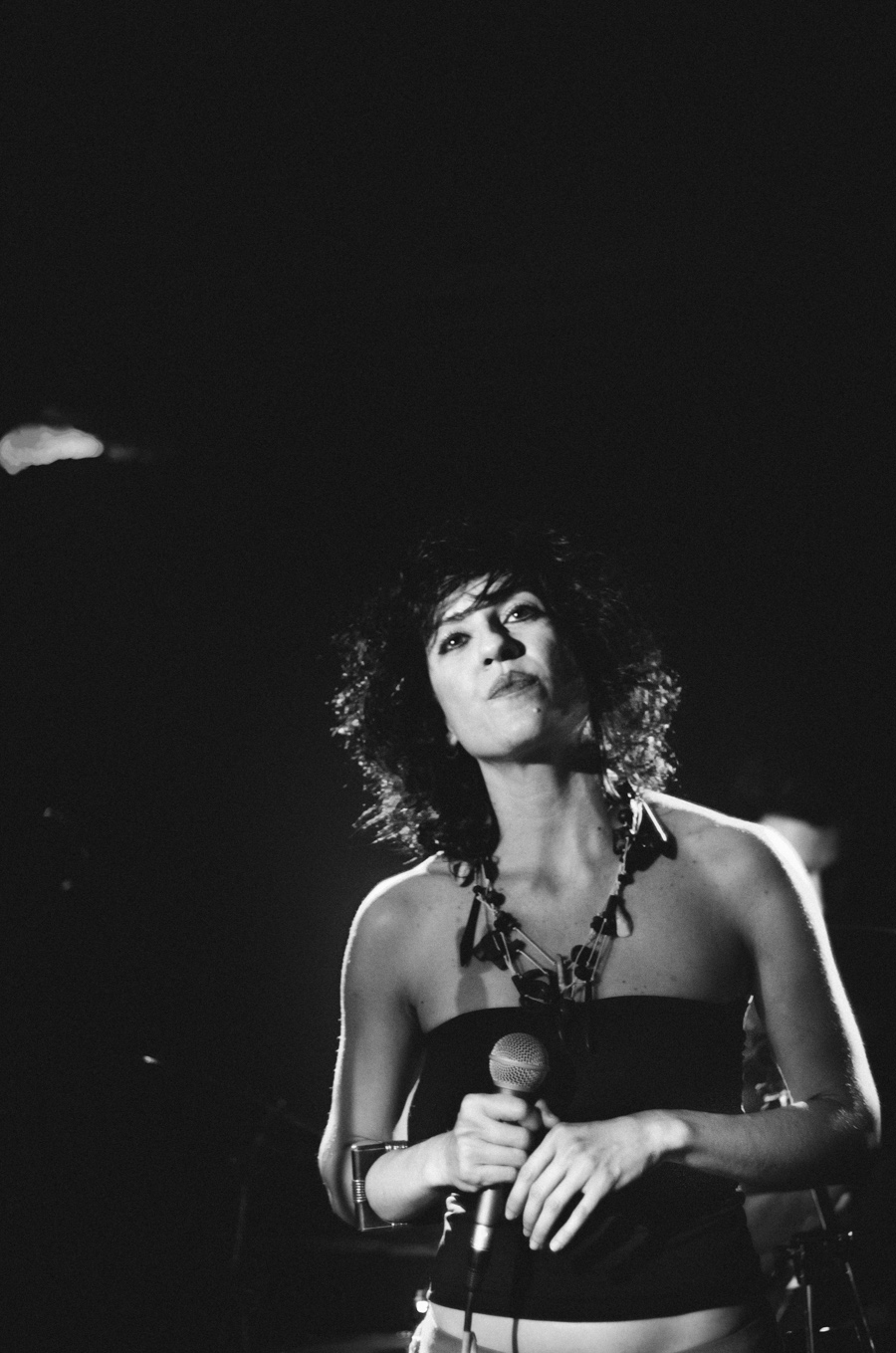
Jazz Singing is a priceless educational process in which singers get to know their voice, appreciate its expressive potential, and learn to use it as an improvising instrument. Meanwhile, they discover the magic of jazz music and enjoy the unique experience of artistic expression and creative freedom!
Jazz is a universal language; therefore, learning to “speak Jazz” is priceless.
Mastering vocal technique and improvisation skills in Jazz Singing.
The fundamental element that allows the singer to dive into the magical world of jazz is the sound of the instrument, which in this case is the voice. Thus, developing the voice and learning how to produce a healthy vocal sound is the first step of the jazz journey.
The vocal technique includes mastering breath management and developing vocal tone, range, and volume.
More specifically:
– Management, support, and control of breathing for singing
– Development of vocal tone, range, and volume
– Mastering the use of the vocal color palette by shaping the vocal tract
– Control of dynamics and frequencies of the voice
– Looking inside the larynx and getting to know the anatomy of the vocal instrument
– Understanding the way that the voice “works” as part of the human body
– Acquiring the method for “healthy” singing
– Vocal coaching: the direct application of the technique to the song, as far as sound, articulation, stylistic expression, and homogeneity of the voice are concerned.
The mission is to accomplish a “powerful” vocal instrument (making the best of all its range, volume, and tone), which will allow the singer to acquire all the musical, expressive, and improvisational skills to be able to perform with musicality, conviction, freedom, and pure joy!
After all, Jazz Singing means to use your voice as an improvising instrument!
For the purpose of achieving the joy and playfulness of vocal improvisation, it is fundamental to develop rhythmic accuracy and variety, practice phrasing techniques, and, of course, enjoy soloing (scat singing) and the process of instant composing to begin with!
To be more specific, the elements that need to be addressed are:
– Swing feel, analysis of the eight-note triplet feel. Total grasp of the terms “time” and groove
– Understanding the form and absorbing the harmonic progression of the piece
– Rhythmic phrasing & Syncopation management
– Improvising the melody
– Mastering the jazz language, vocabulary & vocal improvisation (scat singing)
– Rhythmic & melodic variety, fluency, richness, and accuracy
– Developing the vocalist’s personal jazz style, cultivating creativity, imagination, and reinforcing self-confidence and freedom of expression
– Obtaining the ability to improvise instantly on any given melody, over any harmonic progression or rhythmic context
– Achieving a creative interplay within the jazz combo.
Singers become familiar with the swing feel, learn how to manage legato and syncopation, and start developing phrasing skills. They study the jazz vocabulary and discover their personal jazz style, articulation, and syllables in vocal improvisation (scat singing). While cultivating rhythmic variety and phrasal fluency, the singers also reinforce their creativity, imagination, and personal aesthetics, allowing them to become self-confident and go deeper in any jazz style.
The final goal is to be able to improvise instantly within any given melody, over any harmonic progression or rhythmic context, to “fit in” the musical environment, to contribute a strong musical personality, and to co-exist in a creative “interplay” with the rest of the musicians.
If you want to have Jazz Singing Lessons with Irini, go to the Lessons Page and click the Contact button!